Key Insights into Business Electrical Upkeep
Maintaining electrical systems in commercial and light industrial settings is essential. It ensures safety, efficiency, and longevity of equipment. I want to share practical insights into business electrical upkeep. These tips help prevent costly repairs and downtime.
Why Business Electrical Upkeep Matters
Electrical systems power everything in a business. From lighting to machinery, they keep operations running smoothly. Poor maintenance can lead to failures, hazards, and increased costs. Regular upkeep helps:
Detect issues early
Avoid unexpected outages
Improve energy efficiency
Extend equipment life
Ensure compliance with safety codes
For example, a simple inspection might reveal worn wiring or loose connections. Fixing these early prevents fires or equipment damage. In commercial settings, downtime can mean lost revenue. So, investing in upkeep saves money in the long run.
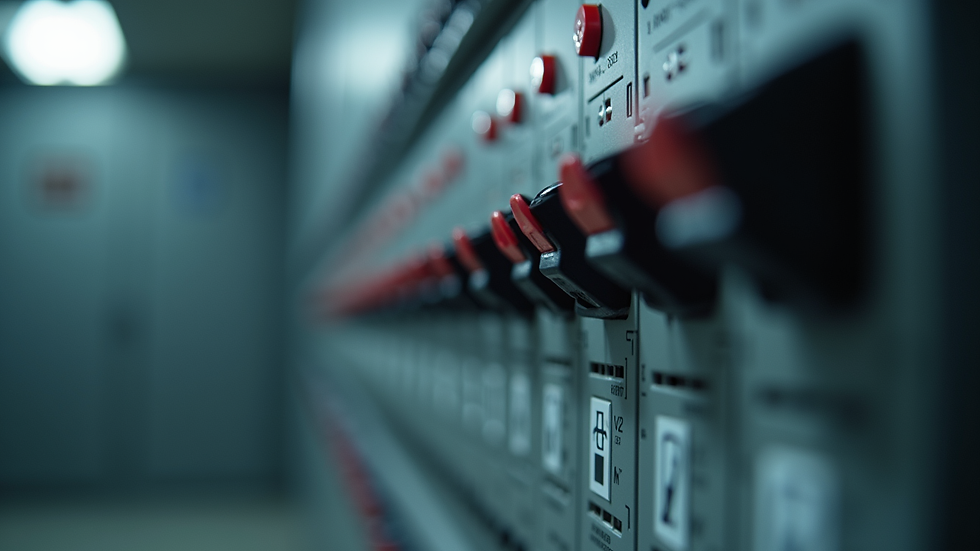
Key Practices in Business Electrical Upkeep
Effective upkeep involves several routine tasks. Here are some essential practices:
Visual Inspections
Check panels, outlets, and wiring for signs of wear or damage. Look for discoloration, corrosion, or loose parts.
Testing and Monitoring
Use tools to test voltage, current, and grounding. Monitor for irregularities that indicate problems.
Cleaning Components
Dust and debris can cause overheating. Clean panels and equipment regularly.
Tightening Connections
Loose connections cause arcing and heat buildup. Tighten screws and terminals as needed.
Replacing Worn Parts
Replace fuses, breakers, and wiring that show signs of aging or damage.
Updating Systems
Upgrade outdated equipment to meet current safety and efficiency standards.
These steps reduce risks and improve system reliability. Scheduling these tasks quarterly or biannually is a good practice.
What Does Electrical Maintenance Include?
Electrical maintenance covers a broad range of activities. Here’s what it typically involves:
Inspection of Electrical Panels and Circuits
Checking for signs of overheating, corrosion, or damage.
Testing Safety Devices
Ensuring circuit breakers and ground fault interrupters work properly.
Checking Lighting Systems
Replacing bulbs and fixtures to maintain proper illumination.
Examining Wiring and Connections
Looking for frayed wires, loose connections, or signs of wear.
Verifying Backup Power Systems
Testing generators and UPS units to ensure they function during outages.
Documentation and Reporting
Keeping records of inspections, repairs, and upgrades for compliance and future reference.
Regular maintenance helps avoid emergencies and keeps systems running efficiently.

How to Plan a Maintenance Schedule
A well-planned schedule keeps upkeep consistent and effective. Here’s how to create one:
Assess System Complexity
Larger or more complex systems need more frequent checks.
Consider Usage Levels
High-use equipment wears faster and requires closer monitoring.
Follow Manufacturer Recommendations
Use guidelines for maintenance intervals and procedures.
Set Priorities
Focus on critical systems that impact safety and operations.
Use a Checklist
Create a detailed list of tasks for each visit.
Keep Records
Document all maintenance activities and findings.
For example, lighting systems might be checked every 6 months, while backup generators are tested quarterly. Adjust the schedule based on findings and changes in equipment.
Benefits of Professional Electrical Maintenance Services
While some tasks can be done in-house, professional services offer advantages:
Expertise and Experience
Professionals spot issues that non-experts might miss.
Proper Tools and Equipment
They use specialized tools for accurate testing and repairs.
Compliance with Codes
Licensed electricians ensure work meets local regulations.
Safety
Handling electrical systems can be dangerous. Professionals reduce risks.
Time and Cost Savings
Preventive maintenance avoids costly emergency repairs.
Hiring a trusted electrical contractor ensures your systems get the care they need. This is especially important for complex commercial setups.
Staying Ahead with Preventive Maintenance
Preventive maintenance is the best way to avoid problems. It means regularly checking and servicing equipment before issues arise. Here are some tips:
Schedule inspections and tests regularly.
Train staff to recognize warning signs.
Replace parts proactively based on age and condition.
Keep systems clean and free of dust.
Monitor energy use for unusual spikes.
By staying ahead, you reduce downtime and extend equipment life. This approach supports smooth business operations.
Final Thoughts on Business Electrical Upkeep
Proper electrical upkeep is vital for safety and efficiency. It protects your investment and keeps operations running. Use regular inspections, testing, and cleaning to maintain systems. Plan a schedule that fits your needs and consider professional help for complex tasks.
If you want to learn more about commercial electrical maintenance, reach out to trusted local experts. They can provide tailored solutions for your business.
Taking these steps ensures your electrical systems remain reliable and safe for years to come.


Comments